
Advertisement
Every year, over 1,200 cosmetic formulas are tested in L’Oréal’s U.S. labs and consumer panels. This shows how serious the company is about safety and product performance.
L’Oréal Free Samples
Discover how to get free L’Oréal samples, what products are available, and step-by-step instructions to check current opportunities.
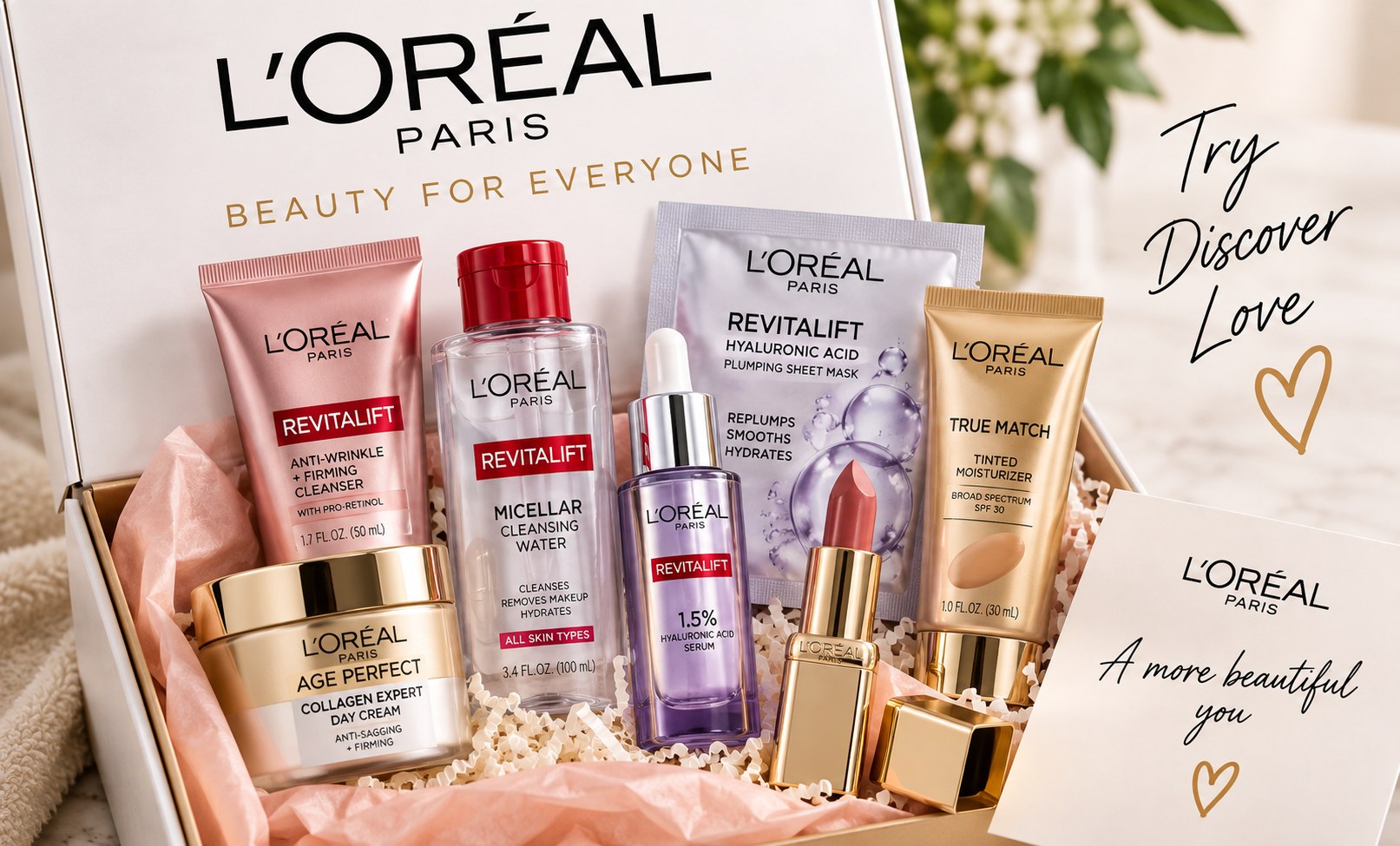
This guide covers what L’Oréal product testing involves for makeup, skincare, haircare, and fragrance. You’ll learn about beauty product examination and lab trials. You’ll also find out what participants do and how results affect product launches and your choices.
Discover how to get selected in the United States, the tests you might do, and the perks of participating. Benefits include early access to free products and helping shape formulas used by millions.
Introduction to L’Oréal product testing
Are you thinking about joining L’Oréal’s product testing? This guide will help you understand what’s involved. You’ll learn how it might change the products you buy and the steps to apply in the U.S.
What this article covers
This article explains what L’Oréal product testing is. You’ll learn about different testing methods and what kinds of products are tested. It also covers how brands assess makeup and product performance.
It offers a step-by-step guide to applying in the U.S. You’ll discover the timeline for selection and the benefits of participating, like getting free products and early access to new items.
Why you should read this before applying
Reading this article first helps you know what to expect. You’ll learn about the time commitment and privacy issues. It also explains what consent forms are like and what tests might ask for photos or diaries.
The article talks about safety and allergy precautions. It helps you decide if you’re comfortable with in-clinic or at-home testing. Knowing this can help you decide if the program fits your schedule and comfort level.
How testing information can influence your purchase decisions
Test results shape what products claim to do and how they perform. Makeup trial results can change shade ranges, ingredient levels, or packaging before they hit the market.
Your feedback is crucial in helping brands improve their products. It ensures they meet your daily needs.
L’Oréal follows strict guidelines, including FDA rules, to ensure testing is thorough and compliant.
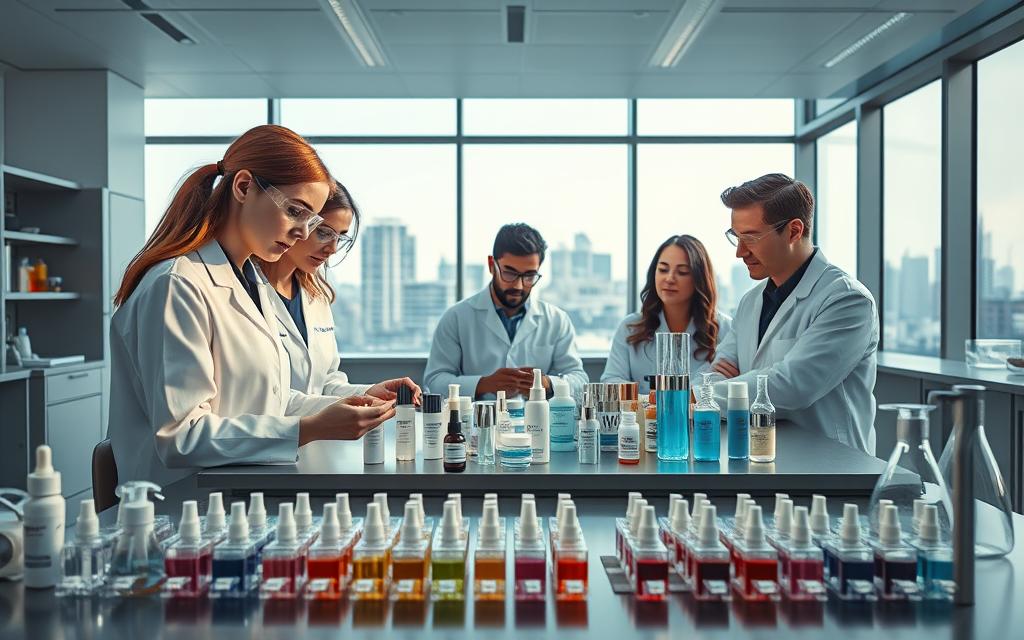
What Is L’Oréal Product Testing?
L’Oréal product testing includes lab checks and real-world trials. It covers the full range of testing types. This ensures makeup and personal care products are safe and effective.
Definition and scope
At L’Oréal, product testing checks for safety, how well it works, and how it feels. It also looks at how people like it. This includes testing ingredients, how products work in real life, and how long they last.
Types of testing: clinical, consumer, and lab-based
- Clinical testing: This is done in a controlled setting. Dermatologists check things like how well the skin holds moisture and how elastic it is. It helps prove claims about products.
- Consumer testing: This is when people use products in their daily lives. They give feedback on how it feels and how long it lasts. This helps understand how people really use products.
- Lab-based cosmetic product analysis: This is all about science. It checks the ingredients, how well they work together, and how long products last. It also looks at how packaging affects the product.
How makeup trial results and product performance assessment are recorded
Testing follows strict rules to ensure results are reliable. Numbers, surveys, photos, and special tests for color accuracy are used. This gives a clear picture of how products perform.
Wear-time tests, feedback from users, and notes from testers are also important. All this information helps improve products and make sure claims are true. It’s all kept safe and private.
Why Does L’Oréal Test Products?
L’Oréal tests products to keep you safe and ensure they work as promised. They check for safety, performance, and quality. This is to make sure the product works well for all skin tones and hair types.
Safety and regulatory compliance
The brand does tests to lower the chance of irritation. They use patch tests and controlled trials. This meets U.S. standards, even though the FDA doesn’t approve most cosmetics.
They also follow state rules like California’s Proposition 65. These steps help make sure labels are accurate and products are safe for sensitive skin.
Performance validation for makeup, skincare, haircare, and fragrance review process
Tests check if products live up to their claims. For makeup, they look at how well it stays on and blends. Skincare tests measure how well it hydrates and changes texture over time.
Haircare is tested with tools and feedback from users. They check how well it manages hair, adds shine, and controls frizz. Fragrance testing uses panels and user ratings to judge how long it lasts and how it smells.
Quality control and brand reputation
Batch testing ensures formulas stay the same. They also listen to what consumers say to improve products before they hit the market.
Testing helps avoid recalls and bad experiences. This keeps the L’Oréal name strong and supports responsible innovation. They use cruelty-free methods like in vitro testing and computer models instead of animal tests.
Products You May Receive and What to Expect
You’ll usually get samples of skincare, makeup, haircare, and fragrances. Always read the instructions and follow any storage or usage notes. This helps keep the results valid and safe.
Common product categories
- Skincare: serums, moisturizers, sunscreens used in a controlled skincare testing protocol to measure hydration or irritation.
- Makeup: foundations, lipsticks, mascara, primers where you may log makeup trial results like wear time and transfer resistance.
- Haircare: shampoos, conditioners, masks, styling products for haircare product evaluation focused on shine, manageability, and frizz control.
- Fragrances: sprays or roll-ons assessed through a fragrance review process for projection and longevity.
Typical product formats and sample sizes
- Single-use sachets and travel-size tubes for initial sensory checks.
- Small bottles such as 30 mL serums, 10 mL foundation samples, or 50 mL shampoos for home-use studies.
- Anonymized or coded packaging in clinical tests to reduce bias and protect formulation details.
What tests you might be asked to perform
- Sensory evaluations that ask you to rate texture, scent, spreadability, stickiness, finish, and immediate feel.
- Wear-time tracking for makeup and fragrance that records longevity, transfer, and reapplication needs across activities.
- Efficacy measures for skincare and haircare where you report perceived changes like hydration, reduced frizz, or improved texture.
- Usage and tolerance logs to note any irritation, allergic responses, or missed doses and to confirm adherence.
Your tasks may include digital surveys, photo uploads under standardized lighting, or occasional clinic visits for objective readings with moisture meters or professional imaging.
Remember to avoid using other products during the test period. Also, report any adverse events right away. This helps protect your skin and keeps the study data reliable.
Who Can Apply, How Selection Works, and Benefits of Joining
Before you apply, know the basics. You must be 18 or older and live in certain U.S. states. Some studies look at your skin type, hair, age, or shopping habits. Clinical trials might exclude pregnant women or those with allergies.
How to apply: Sign up on the recruitment portal or through partner panels. Fill out a detailed profile about your demographics, skincare, haircare, and lifestyle. If you fit a study, you’ll get instructions, consent forms, and shipping details. Selection times vary from days for at-home tests to weeks for clinical trials.
Selection timeline and tips:
- Keep your profile current to increase chances of selection.
- Respond quickly to invitations and follow study directions precisely.
- Be honest in questionnaires and product reports so teams can rely on your feedback.
How teams choose panels: Recruiters use data to build balanced groups by age, skin tone, and hair type. Early responses help create representative groups. This analysis uses ratings and comments to shape future tests.
Why your feedback matters: Clear, timely input shapes further testing, prompts reformulations, and confirms results. Quantitative scores guide product assessment, while qualitative comments add depth about texture, scent, and wear.
Participant benefits:
- Free products in most consumer trials, often kept after the study.
- Early access to unreleased items and occasional compensation for clinical work.
- Direct influence on final formulations, shades, and packaging decisions.
- Occasional study reports or promotional discounts from the brand.
To increase your chances, keep your profile up to date, respond quickly to invites, and provide thoughtful feedback. This approach helps you stay in the running for future studies and makes your input valuable for product development.
Conclusion
You now know what l’Oréal product testing is all about. It combines clinical checks, consumer trials, and lab analysis. This ensures products are safe and perform well.
When you join, you’ll get to try out skincare, makeup, haircare, and fragrances. You’ll also have tasks like tracking how long products last and giving feedback on how they feel.
Testing is important because it keeps consumers safe and helps improve products. If you’re from the United States, make sure you meet the eligibility criteria. Keep your profile up to date so you can be matched with the right studies.
Your feedback is crucial in shaping how L’Oréal markets and refines its products for the national market.
If you’re thinking about becoming a tester, consider the pros and cons. You might get to try new products early, receive free items, and have a say in how products are made.
Always read the consent forms and instructions carefully. If you have any allergies or medical conditions, let them know. And remember to track how you use the products so your feedback is accurate and helpful.